How to Price Roofing Jobs: A Guide to Profit and Growth
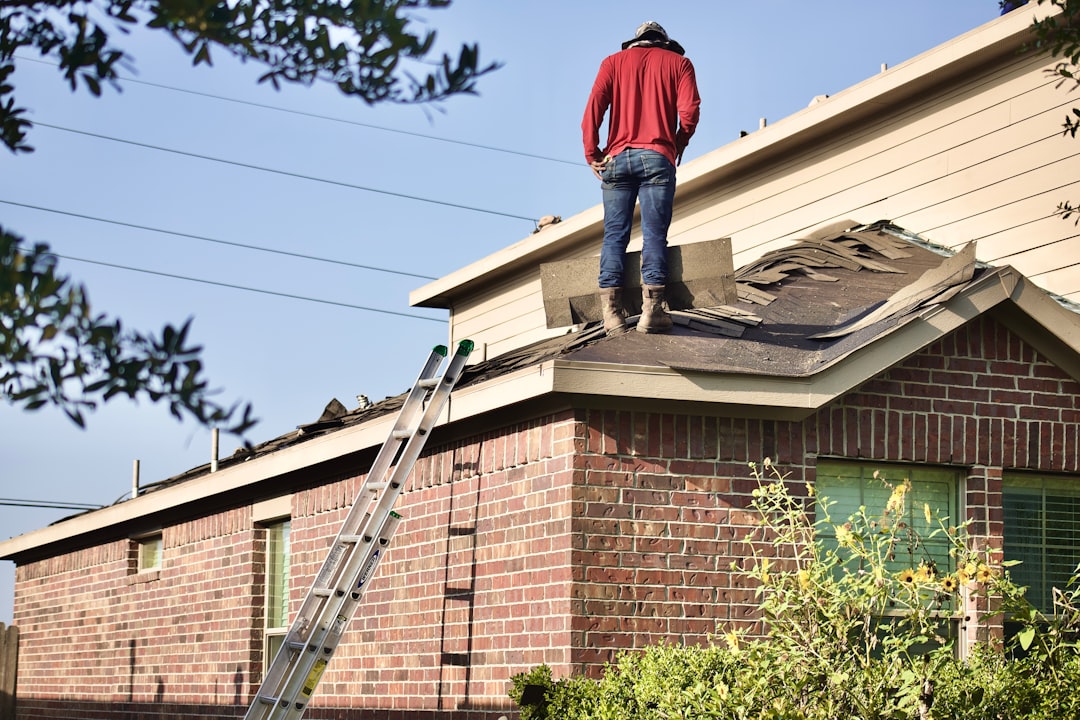
Photo by Zohair Mirza on Unsplash
In our work with contractors, we see many owners struggling to balance high win rates with healthy profit margins. Pricing too low kills your cash flow and prevents you from hiring the best crews. Pricing too high leaves your team sitting idle while your competitors take the work. We help roofing businesses find the sweet spot where they cover all costs and fund their long term growth.
A Four-Step Process for How to Price Roofing Jobs
To build a sustainable business, you must move away from “guesstimating” and toward a data-driven formula. Follow these four steps to ensure every estimate is accurate.
- Calculate the Total Squares and Waste Factor: Start with the actual surface area of the roof. Add a waste factor of 10 percent for simple gable roofs and up to 15 or 20 percent for complex roofs with multiple hips and valleys. This ensures you do not eat the cost of the extra bundles required for starter strips and ridge caps.
- Itemize Materials and Disposal Costs: List every component including shingles, underlayment, ice and water shield, drip edge, and flashing. Do not forget the cost of the dumpster and disposal fees. Prices for petroleum-based products like asphalt shingles fluctuate frequently. We recommend checking your supplier pricing every 30 days.
- Determine Your Labor Burden: This is more than just the hourly wage. You must include workers’ compensation insurance, payroll taxes, and any bonuses. If you use subcontractors, get a firm price per square before you send the estimate to the homeowner.
- Apply Overhead and Net Profit: Your overhead includes everything from your office rent to your marketing budget. According to the Small Business Administration, many service businesses fail because they underestimate these indirect costs. Add your desired net profit on top of the total cost. A common target for residential roofing is a 20 to 30 percent gross margin.
Pricing Models: Which Strategy Fits Your Business?
Different markets and job types require different approaches. Use the table below to decide which pricing framework makes the most sense for your current operation.
| Pricing Model | Best For | Pros | Cons |
|---|---|---|---|
| Price Per Square | Standard residential tear-offs | Fast to calculate and easy for the customer to understand. | Does not account for steep pitches or difficult access. |
| Flat Rate Pricing | Small repairs and patches | High margins on small jobs and eliminates haggling. | Can be risky if the repair is more complex than it looks. |
| Value-Based Pricing | Premium materials (Metal, Slate) | Focuses on the long term benefits and allows for much higher margins. | Requires a highly skilled sales process and specific brand positioning. |
When you are writing a professional estimate, choosing the right model helps you justify your price to the homeowner.
Common Mistakes We See in Roofing Estimating
We have seen contractors lose thousands of dollars on single projects because they missed small details during the inspection. One of the most common errors is failing to check the decking. If you assume the plywood is solid and find it is rotted after the tear-off, you are forced to ask for a change order. This can frustrate homeowners and lead to negative reviews.
Another mistake is ignoring the cost of lead acquisition. If you spend 500 dollars on marketing to get one signed contract, that 500 dollars must be accounted for in your pricing. If you do not factor in the cost of roofing contractor local SEO keywords and other advertising, your net profit will disappear.
Finally, we see many owners try to match the price of the “guy with a truck” who has no insurance and no overhead. You cannot compete with lowballers on price alone. You must sell your warranty, your reputation, and your professional process instead.
How to Price Roofing Jobs to Beat the Competition
Staying competitive does not mean being the cheapest option in town. In the roofing industry, the most competitive contractors are the ones who provide the most value for a fair price. You can stay competitive by offering financing options. This allows you to keep your full price while making the monthly payment affordable for the homeowner.
You should also implement tracking job costs for every project you complete. By looking back at your actual expenses versus your estimated expenses, you can refine your formula over time. If you consistently see that labor is taking 10 percent longer than planned, you must adjust your future bids to reflect that reality.
Frequently Asked Questions
Should I share my itemized material costs with the homeowner?
We generally recommend providing a total project price rather than a line-by-line breakdown of your material costs. Itemizing allows customers to shop around for individual components and question your markups. Focus the conversation on the total value and the quality of the installation instead.
How often should I update my material pricing in my estimating software?
You should verify pricing with your local distributor at least once a month. Material costs for shingles and metal can shift rapidly due to supply chain issues or changes in oil prices. Using outdated numbers can quickly turn a profitable job into a loss.
What is a healthy profit margin for a residential roofing job?
Most successful residential roofing companies aim for a gross profit margin between 30 and 40 percent. After paying for all overhead and administrative expenses, the goal is typically a net profit of 10 to 15 percent. These margins provide the cash flow necessary to weather slow seasons and invest in better equipment.